Export Insights
How to Choose Lady Rosetta Potato for Chip Manufacturing
Learn how potato-chip manufacturers evaluate Lady Rosetta based on size, quality, dry matter, reducing sugar, uniformity and frying performance.
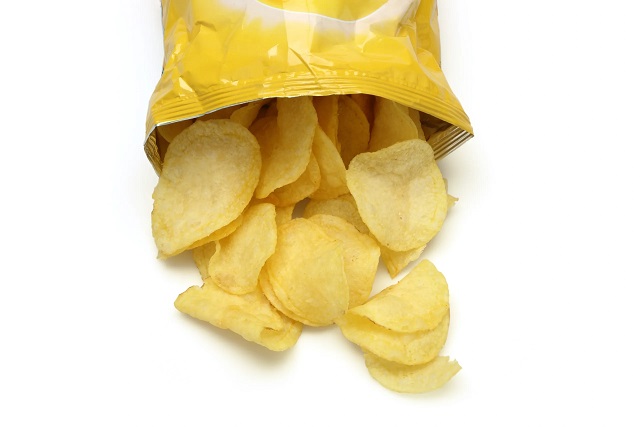
How to Choose Lady Rosetta Potato for Potato Chip Manufacturing
Choosing the right raw material is an important part of commercial potato-chip manufacturing.
For manufacturers sourcing Lady Rosetta Potato, selecting the right lot involves more than confirming the variety name. Processing performance can also depend on size, dry matter, reducing sugar, maturity, uniformity, physical condition, storage history and other quality parameters.
A well-defined raw-material specification can help manufacturers and suppliers establish clearer expectations before a commercial shipment.
PATEL AGRO SPICES EXPORT supplies Lady Rosetta Potato from Gujarat, India, for food processors, potato-chip manufacturers, importers and other commercial buyers.
Why Is Raw Potato Selection Important?
Potato chips are produced through a series of controlled processing steps, which may include:
Raw Potato Selection → Washing → Preparation → Slicing → Rinsing → Frying → Seasoning → Packing
The characteristics of the raw potato can influence how consistently the material performs throughout this process.
For this reason, professional potato-chip manufacturers generally establish specifications for the raw potatoes they purchase.
The exact requirements depend on the manufacturer's equipment, product formulation, processing conditions and quality standards.
1. Confirm the Potato Variety
The first step is confirming that the supplied potatoes are the required variety.
If the production line is designed to use Lady Rosetta, the commercial specification should clearly identify:
Variety: Lady Rosetta
Variety confirmation is important because different potato varieties can have different processing characteristics.
Where variety identity is critical, buyers can also discuss the appropriate verification procedure with their supplier.
2. Define the Required Potato Size
Potato size is an important consideration for processing.
The preferred size can depend on the manufacturer's:
Slicing equipment
Cutting method
Desired chip dimensions
Production process
Handling system
Possible commercial size requirements may include:
45–55 mm
45–65 mm
55–65 mm
65 mm+
Other buyer-specific grades
These are examples of possible commercial grades, not universal standards.
The buyer should define the target size range and acceptable tolerance before ordering.
3. Consider Dry Matter
Dry matter is an important processing characteristic of potatoes.
It can influence:
Processing yield
Chip texture
Crispness
Oil uptake
Frying behaviour
The preferred dry-matter range depends on the manufacturer's process and product requirements.
Therefore, buyers should specify their required range rather than assuming that one value is appropriate for every production system.
4. Check Reducing Sugar
Reducing sugar is particularly important for potatoes intended for frying.
Glucose and fructose are examples of reducing sugars that can participate in browning reactions during frying.
Higher reducing-sugar levels can contribute to darker fried products under comparable processing conditions.
For this reason, chip manufacturers may establish reducing-sugar requirements as part of their raw-material specification.
Where this parameter is critical, buyers should agree on the testing method and acceptance criteria with the supplier.
5. Look for Size Uniformity
A batch with relatively consistent potato sizes can help support predictable processing.
Uniformity can contribute to greater consistency in:
Slicing
Frying
Cooking
Processing time
Finished chip dimensions
However, the degree of uniformity required depends on the manufacturing system.
Buyers should therefore define both the desired size range and the acceptable variation.
6. Check External Quality
Before accepting a commercial lot, buyers may inspect the potatoes for visible defects and physical condition.
Important considerations can include:
Bruising
Cuts
Green coloration
Sprouting
Rot
Disease
Mechanical damage
Excessive dirt
Other visible defects
The acceptable tolerance for each defect should be established in the purchase specification.
7. Consider Internal Quality
External appearance does not always provide a complete indication of potato quality.
A potato may look acceptable from the outside while having internal defects or characteristics that affect processing.
Depending on the buyer's requirements, evaluation can include:
Sample inspection
Internal cutting tests
Laboratory analysis
Processing trials
Frying tests
For large or recurring purchases, buyers may establish a formal inspection procedure before accepting shipments.
8. Evaluate Storage History
Storage can affect the processing characteristics of potatoes.
Factors that may be relevant include:
Storage temperature
Storage duration
Storage conditions
Crop age
Handling history
Storage is particularly important when potatoes are purchased after the main harvest period.
Buyers should communicate any storage-related requirements to the supplier and, where relevant, request information about the crop and storage history.
9. Consider Crop and Maturity
Crop conditions can influence the characteristics of a commercial lot.
Buyers may want to understand:
Crop season
Harvest period
Crop maturity
Current availability
Storage status
This information can be particularly useful when purchasing potatoes for a specific processing schedule.
10. Specify Packing Requirements
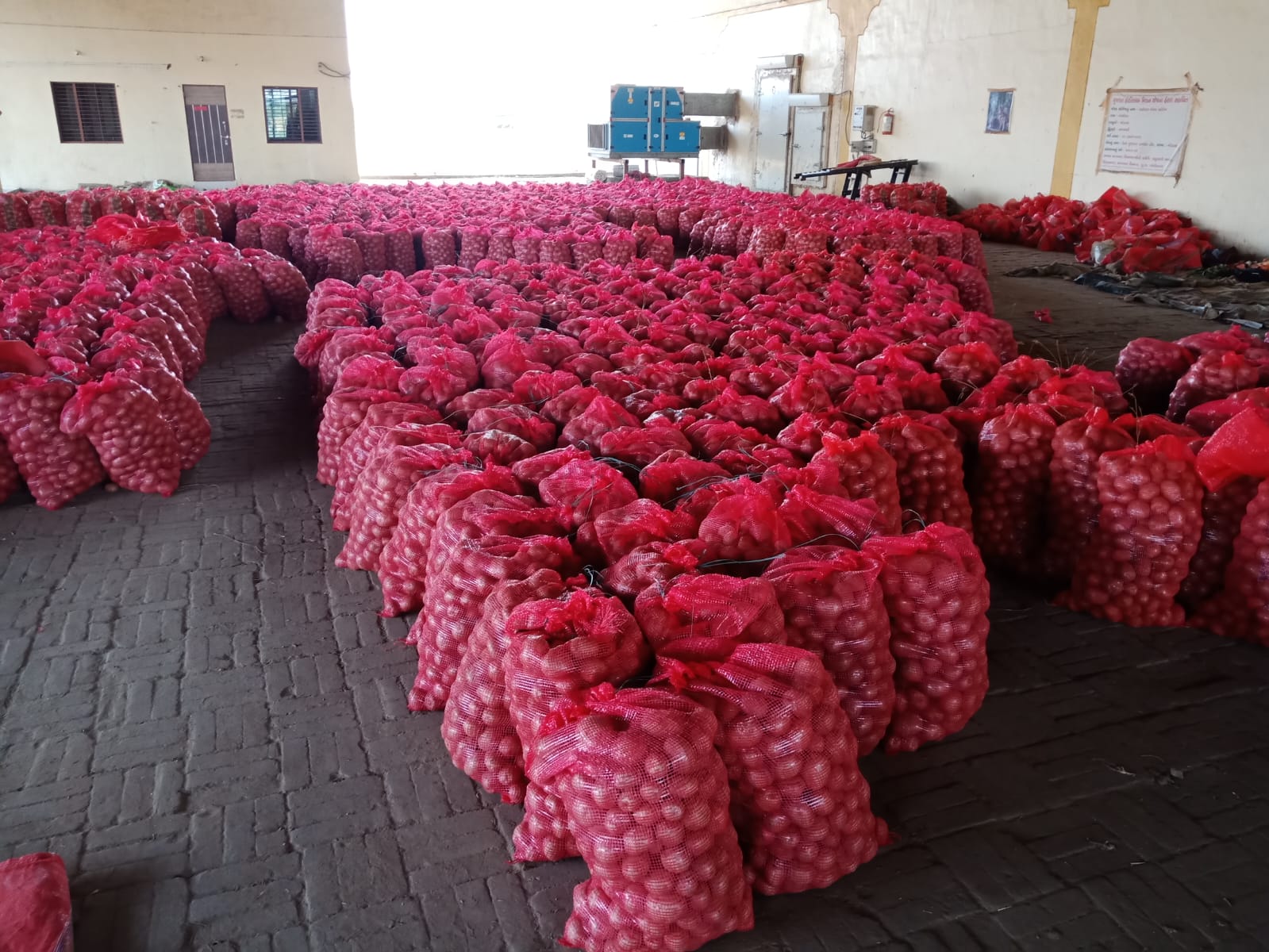
Packing should be selected according to the quantity, handling method and destination.
Commercial packing options may include:
25 kg bags
50 kg bags
Customized commercial packaging
International buyers may also specify requirements for:
Net weight
Bag material
Labels
Printing
Country-of-origin information
Product identification
The final packing specification should be agreed before shipment.
11. Define the Required Quantity
Commercial buyers should provide an estimated quantity when submitting an enquiry.
For example:
Required quantity: 20 MT / 50 MT / 100 MT
The required quantity helps the supplier assess:
Crop availability
Required size grade
Grading requirements
Packing requirements
Loading plans
Transportation
Shipment scheduling
For recurring procurement, buyers can also communicate their expected seasonal or monthly requirements.
12. Request a Sample or Trial When Appropriate
For a new supplier relationship, buyers may consider evaluating a sample or trial lot before committing to a larger commercial order.
Depending on the application, evaluation may include:
Visual inspection
Size calibration
Dry-matter testing
Reducing-sugar testing
Internal-quality assessment
Trial slicing
Frying test
Finished-chip evaluation
The testing procedure should be agreed between the buyer and supplier so that both parties understand the acceptance criteria.
What Should a Potato-Chip Manufacturer Include in the Specification?
A practical procurement specification can include:
Parameter Buyer Requirement
Variety Lady Rosetta
Size Required calibration
Size tolerance Agreed tolerance
Dry matter Required range, where applicable
Reducing sugar Required range, where applicable
Physical defects Agreed tolerance
Internal quality Buyer requirement
Crop/harvest As required
Storage Agreed requirement
Packing Required format
Quantity Required quantity
Destination Country and port
Delivery Required shipment period
This provides the supplier with a clearer understanding of the product required.
A Practical Buyer Checklist
Before purchasing Lady Rosetta Potato for chips, confirm:
☐ Variety
☐ Size range
☐ Size tolerance
☐ Dry matter
☐ Reducing sugar
☐ Shape and uniformity
☐ External quality
☐ Defect tolerance
☐ Internal quality
☐ Crop and harvest information
☐ Storage condition
☐ Packing
☐ Quantity
☐ Delivery schedule
☐ Destination
☐ Testing or inspection requirements
Why Source Lady Rosetta Potato from Gujarat?
Gujarat has an established agricultural and commercial potato supply network.
North Gujarat, including the broader Deesa and Banaskantha region, is associated with commercial potato cultivation and agricultural trade.
For international buyers, sourcing from Gujarat can provide access to regional agricultural supply networks together with grading, packing, transportation and export coordination.
However, buyers should evaluate the specific product specification and supplier capability, rather than relying on geographic origin alone.
PATEL AGRO SPICES EXPORT – Lady Rosetta Potato Supplier from Gujarat
PATEL AGRO SPICES EXPORT supplies Lady Rosetta Potato from Gujarat, India, for:
Potato-chip manufacturers
Food-processing companies
Importers
Distributors
Wholesalers
Commercial agricultural buyers
Supply can be discussed according to:
Variety
Size
Quality
Dry matter
Reducing sugar
Quantity
Packing
Destination
Delivery schedule
Request Lady Rosetta Potato for Chip Manufacturing
If you are sourcing Lady Rosetta Potato for potato-chip manufacturing, send us your technical and commercial requirements.
Please include:
Size + Quantity + Dry Matter + Reducing Sugar + Packing + Destination + Delivery Schedule
This information allows us to discuss available supply according to the current crop and your processing requirements.
PATEL AGRO SPICES EXPORT
Gujarat, India
Website: www.patelagrospicesexport.com
Email: sales@patelagrospicesexport.com
WhatsApp: +91 9427725873
Conclusion
Choosing Lady Rosetta Potato for chip manufacturing requires more than confirming the variety.
Manufacturers should consider size, uniformity, dry matter, reducing sugar, maturity, physical quality, internal quality, storage history and processing performance.
The most effective procurement approach is to establish a clear specification before ordering and, where appropriate, evaluate a sample or trial lot against agreed criteria.
For manufacturers sourcing Lady Rosetta Potato from India, PATEL AGRO SPICES EXPORT can discuss commercial supply from Gujarat according to the required specifications, quantity, packing and destination.