Export Insights
Lady Rosetta Potato Grading | Quality & Size Selection
Grading and Export Supply from Gujarat

How Lady Rosetta Potatoes Are Graded Before Export
Grading is an important part of preparing Lady Rosetta Potato for commercial supply and export.
International buyers may require a specific variety, size range, physical quality, defect tolerance and packing format. A structured grading and selection process helps suppliers prepare potatoes according to the agreed commercial specification.
For food processors and potato-chip manufacturers, grading can be especially important because the required raw material may need to meet both size and processing-related requirements.
PATEL AGRO SPICES EXPORT supplies Lady Rosetta Potato from Gujarat, India, according to buyer specifications, crop availability and commercial requirements.
What Is Potato Grading?
Potato grading is the process of sorting and selecting potatoes according to defined commercial or buyer requirements.
Depending on the order, grading may consider:
Size
Shape and uniformity
External appearance
Physical condition
Visible defects
Variety
Buyer-specific tolerances
Intended application
It is useful to distinguish between size calibration and quality grading.
Size calibration separates potatoes according to dimensions, while quality grading evaluates whether the potatoes meet the agreed physical and commercial requirements.
The exact criteria can vary by buyer, application and destination market.
Why Is Grading Important for Export?
International shipments can involve large commercial quantities, making consistency an important procurement consideration.
Proper selection and grading can help buyers receive a lot that is closer to the agreed specification.
Grading may be particularly relevant for:
Potato-chip manufacturers
Food-processing companies
Importers
Distributors
Wholesalers
Agricultural commodity buyers
A food processor may require a defined size range and processing specification, while a distributor may focus more heavily on appearance, size and market requirements.
Lady Rosetta Potato Size Calibration
Size is one of the most commonly specified grading parameters.
Depending on the buyer's requirements and available crop, commercial size ranges may include examples such as:
45–55 mm
45–65 mm
55–65 mm
65 mm+
Other buyer-specific ranges
These should be treated as examples of possible commercial requirements rather than universal Lady Rosetta grading standards.
The actual available size distribution depends on the crop, growing conditions, harvesting and sorting results.
Before an export order is finalized, the buyer and supplier should agree on the measurement method, size range and applicable tolerance.
Why Is Size Important?
Potato size can affect how the product is handled and processed.
For processing customers, consistent sizing can support:
More uniform slicing
More predictable processing
Consistent chip dimensions
Easier production planning
Better control of raw-material specifications
For wholesalers and distributors, size grading can help match the product to different market segments.
The appropriate size therefore depends on the buyer's application rather than one size being universally suitable.
Physical Quality Selection
Size alone does not determine whether a potato is suitable for commercial export.
During selection, potatoes may also be evaluated for visible characteristics such as:
Cuts
Bruising
Green coloration
Sprouting
Rot
Disease
Mechanical damage
Excessive dirt
Serious deformities
Other agreed defects
The acceptable tolerance should be established in the purchase specification.
Different buyers may have different requirements depending on whether the potatoes are intended for processing, wholesale distribution or another application.
Grading for Potato-Chip Manufacturers
Processing customers may require a more detailed specification than a conventional wholesale buyer.
A potato-chip manufacturer may specify:
Lady Rosetta variety
Required size range
Size tolerance
Dry matter
Reducing sugar
Physical defect tolerance
Internal quality requirements
Processing requirements
Quantity
Delivery schedule
This means grading for a processing customer should not be based on size alone.
The final commercial lot should be prepared according to the complete specification agreed between the buyer and supplier.
What Happens During the Grading Process?
The exact process can vary according to the supplier, equipment and order requirements, but a commercial preparation process may include the following stages.
Step 1 — Product Receiving
Potatoes enter the commercial supply chain from the relevant agricultural sourcing area.
The incoming product can be reviewed before further selection.
Step 2 — Preliminary Selection
Potatoes with obvious physical damage, decay or other unsuitable characteristics may be separated according to the applicable quality requirements.
Step 3 — Size Calibration
The potatoes are sorted into the required size categories.
The supplier can prepare the requested grade according to the agreed size range and tolerance.
Step 4 — Quality Inspection
The selected lot can be checked against the agreed physical-quality requirements.
For processing orders, additional technical requirements may also apply.
Step 5 — Final Selection
Potatoes that do not meet the agreed specification may be removed from the export lot.
Step 6 — Packing
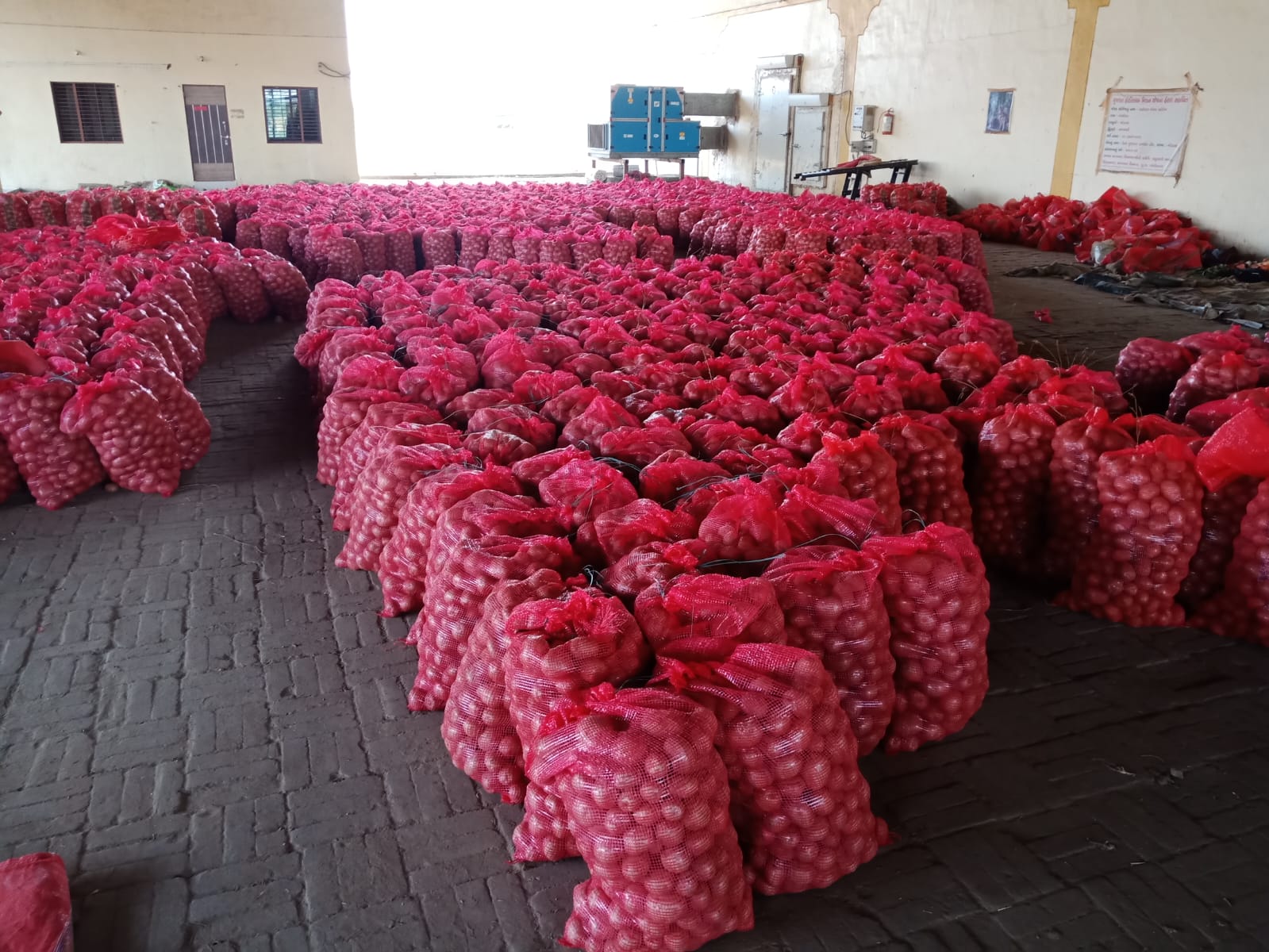
The accepted product is packed according to the agreed bag size, packaging format and labelling requirements.
Step 7 — Shipment Preparation
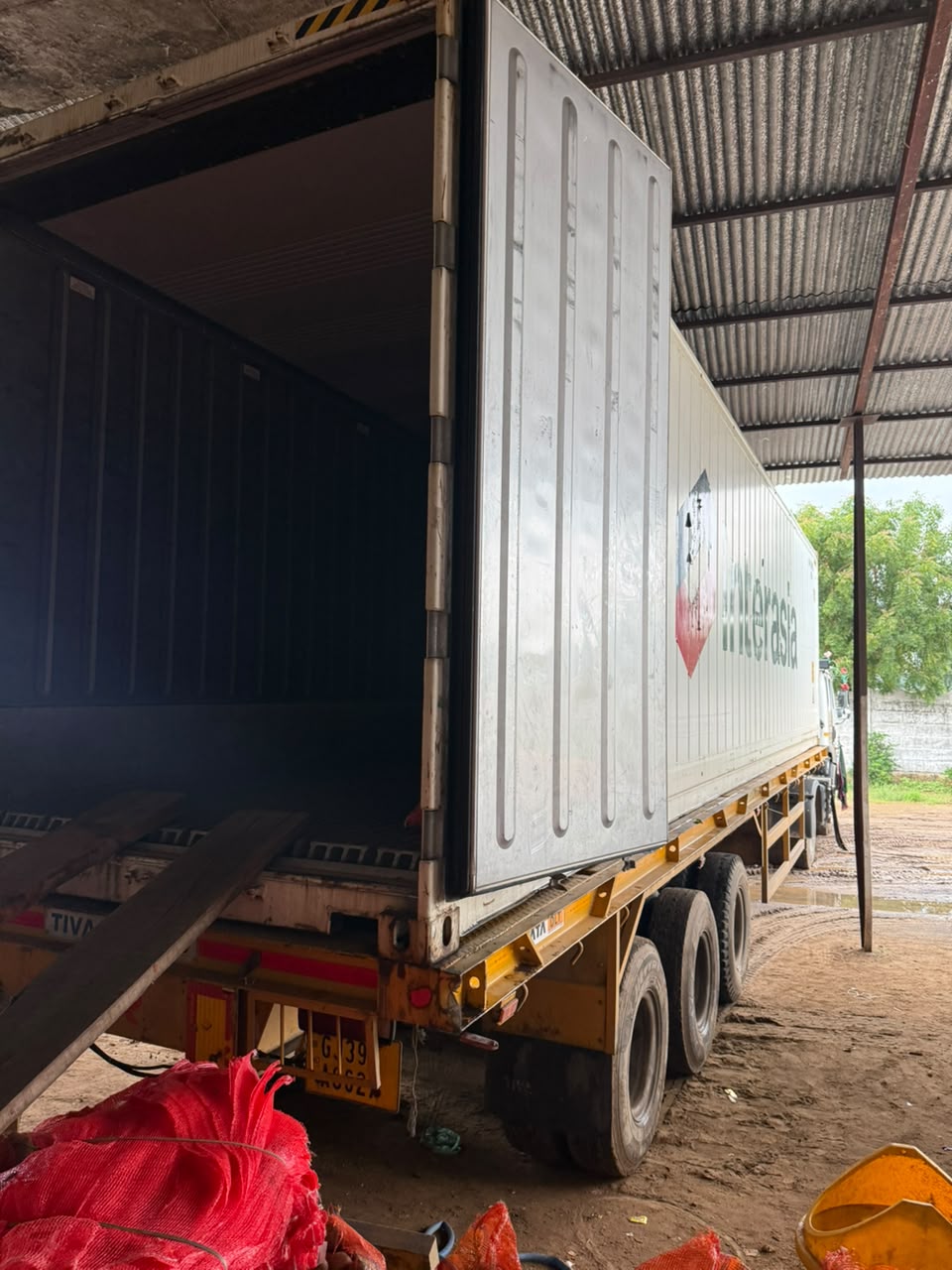
The packed consignment is prepared for dispatch according to the agreed commercial and logistics arrangements.
Can Technical Parameters Be Part of the Specification?
Yes.
For processing buyers, the commercial specification can include technical parameters in addition to size and appearance.
Depending on the application, buyers may specify:
Dry matter
Reducing sugar
Defect tolerance
Internal quality
Processing characteristics
Storage requirements
Where a technical parameter is critical to the buyer, the testing method and acceptance criteria should be agreed before the order is confirmed.
Does Every Lady Rosetta Shipment Have the Same Grade?
Not necessarily.
Potatoes are agricultural products, and characteristics can vary between:
Crops
Farms
Growing conditions
Harvest periods
Storage conditions
Size distributions
As a result, the proportion of potatoes available in a particular size grade can change between crop periods.
International buyers should therefore confirm current availability against their required specification rather than assuming that a particular grade will always be available.
Grading and Packing Are Different
Grading and packing are connected but are not the same process.
Grading determines which potatoes meet the agreed size and quality requirements.
Packing determines how the accepted potatoes are packaged for handling, transportation and distribution.
For example, a buyer may specify:
Lady Rosetta + 45–65 mm + agreed quality tolerance + 25 kg bags
This creates a more complete commercial specification than simply ordering "Lady Rosetta Potato."
Grading for Export from Gujarat
Gujarat has established agricultural and commercial supply networks for potatoes.
The broader North Gujarat region, including the Deesa and Banaskantha belt, is associated with commercial potato cultivation and agricultural trade.
For export orders, sourcing and grading can be coordinated according to:
Sourcing → Selection → Size Calibration → Quality Checking → Packing → Documentation → Dispatch
The exact process depends on the buyer's requirements and the shipment.
What Should International Buyers Specify?
Before requesting a commercial quotation, buyers should provide as much information as possible.
A useful enquiry can include:
Variety: Lady Rosetta
Application: Chips / food processing / wholesale
Size: Required calibration
Quality: Required physical specification
Dry matter: If applicable
Reducing sugar: If applicable
Defect tolerance: As agreed
Quantity: Required quantity
Packing: Required bag size and format
Destination: Country and port
Delivery: Required shipment period
Inspection: Any buyer-specific inspection or testing requirements
Providing these details allows the supplier to assess the available crop and discuss the closest matching commercial specification.
Buyer Checklist for Lady Rosetta Potato
Before confirming an export order, buyers should check:
☐ Variety confirmed
☐ Size range agreed
☐ Size tolerance agreed
☐ Physical quality specification agreed
☐ Defect tolerance agreed
☐ Dry matter requirement confirmed, where applicable
☐ Reducing sugar requirement confirmed, where applicable
☐ Quantity confirmed
☐ Packing confirmed
☐ Labelling requirements confirmed
☐ Destination confirmed
☐ Delivery schedule confirmed
☐ Testing or inspection requirements confirmed
Lady Rosetta Potato Supplier from Gujarat, India
PATEL AGRO SPICES EXPORT supplies Lady Rosetta Potato from Gujarat, India, for international importers, distributors, wholesalers, food processors and commercial buyers.
We can discuss requirements for:
Specific size grades
Commercial quantities
Processing specifications
Export packing
Destination requirements
Shipment schedules
If you are looking for a Lady Rosetta Potato supplier from Gujarat, India, send us your:
Required Size + Quantity + Quality Specification + Packing + Destination + Delivery Schedule
PATEL AGRO SPICES EXPORT
Gujarat, India
Website: www.patelagrospicesexport.com
Email: sales@patelagrospicesexport.com
WhatsApp: +91 9427725873
Conclusion
Grading is an important step in preparing Lady Rosetta Potato for commercial export, but grading should not be understood as size sorting alone.
For international buyers, the complete specification may include variety, size, physical quality, defect tolerance, technical processing parameters, quantity and packing.
Because agricultural characteristics can vary between crops and seasons, buyers should confirm the available grade and specification before placing a commercial order.
For processing and export procurement, a clear specification agreed in advance can help both buyer and supplier establish consistent expectations for the shipment.